Instrumentation & Controls Skills Training for Industrial Teams
Build Accurate, Reliable, and Process-Focused Technical Capability
TPC helps industrial organizations strengthen calibration accuracy, improve diagnostic confidence, and reduce process variability through structured instrumentation training programs on common systems such as programmable logic controllers.
Organizations partner with TPC to:
- Improve calibration accuracy and measurement reliability
- Reduce process variability and scrap
- Strengthen troubleshooting and systemic analysis
- Improve audit readiness and documentation quality
- Standardize instrumentation practices across sites
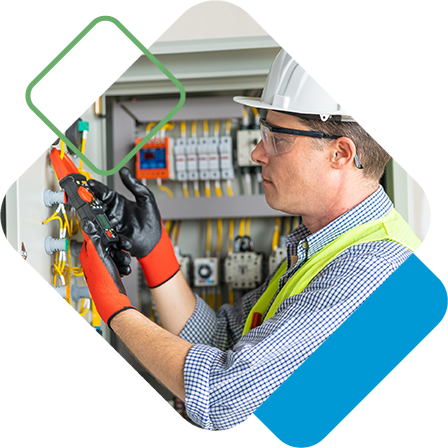
Workforce Instrumentation Capability Directly Impacts Process Stability
Instrumentation and controls directly influence product quality, safety performance, and regulatory compliance. When calibration practices, diagnostic methods, and documentation are inconsistent, process variability increases, and risk escalates. TPC helps organizations close these gaps by building structured, repeatable instrumentation capability across teams.
Calibration Inconsistency
Sensor drift and improper calibration create unreliable measurement and unstable processes.
Process Variability
Inconsistent instrumentation practices increase scrap, rework, and quality issues.
Documentation & Audit Risk
Incomplete calibration records and inconsistent procedures weaken compliance posture.
Safety During Live Diagnostics
Improper control system troubleshooting increases safety exposure.
Training That Strengthens Core Instrumentation Competencies
Structured instrumentation skills training supports technicians responsible for maintaining sensors, loops, and control systems in manufacturing, utilities, facilities, and regulated environments.
Calibration Fundamentals
Build consistent, repeatable measurement accuracy.
Sensor & Signal Diagnostics
Understand signal flow and troubleshoot measurement errors effectively.
Control Loop Fundamentals
Improve knowledge of feedback systems and PID behavior.
Process Variable Troubleshooting
Strengthen structured diagnostic thinking in live systems.
Documentation & Compliance Practices
Standardize record-keeping and audit support procedures.
Outcomes Organizations Achieve with Structured Instrumentation Training
When instrumentation capability is standardized and reinforced, organizations strengthen both operational performance and compliance readiness.
Improved Calibration Accuracy
More precise measurement supports tighter process control.
Reduced Process Variability
Standardized practices minimize scrap and production waste.
Stronger Audit & Compliance Performance
Consistent documentation improves regulatory readiness.
Fewer Process Disruptions
Improved diagnostics reduce unexpected performance issues.
Increased Technician Confidence
Teams operate more independently with fewer escalations.
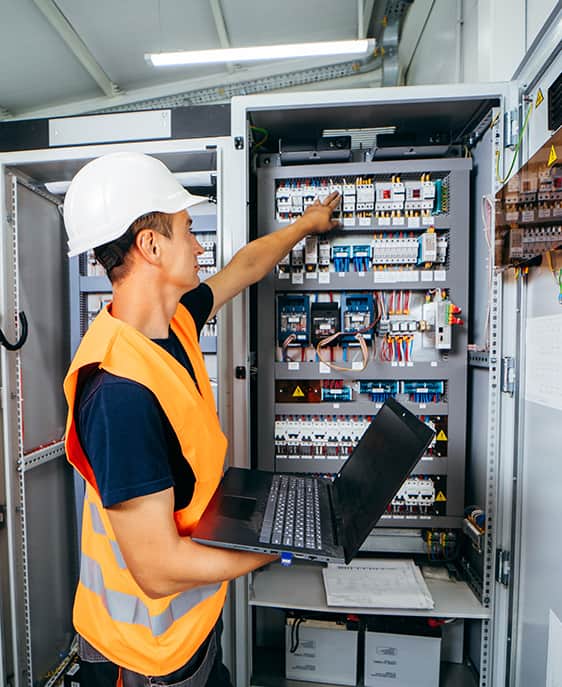
Designed for Industrial & Operations Professionals
TPC Instrumentation skills training supports:
- Maintenance technicians
- Multi-craft technicians
- Process & Reliability Engineers
- Facilities & Operations teams
- Operations supervisors
- Technical workforce development leaders
Programs can be deployed for individuals, teams, or enterprise-wide rollouts.
Frequently Asked Questions About Instrumentation Skills Training
What Is Instrumentation & Controls Training?
Instrumentation skills training prepares technicians to calibrate, diagnose, and maintain sensors, transmitters, and control loops that regulate industrial processes. Training typically includes calibration practices, signal troubleshooting, PLC fundamentals, safe diagnostic procedures, and documentation standards. Structured instrumentation training improves process stability, strengthens compliance posture, and enhances workforce confidence.
What Skills Are Included in Instrumentation Training?
Calibration fundamentals, loop diagnostics, signal analysis, documentation standards, and safe troubleshooting methods.
How Does Instrumentation Training Improve Quality?
Standardized measurement practices reduce variability and improve process consistency.
Can Training Be Deployed Across Multiple Sites?
Yes. Blended programs help standardize instrumentation practices across teams and facilities.
Is Online Learning Effective Alone?
Online training builds foundational knowledge. Layering applied practice and instructor-led instruction improves real-world performance.
Build the Right Instrumentation Training Program for Your Workforce
TPC advisors partner with you to assess current capability and design a program aligned with your operational, safety, and compliance goals. Not sure where to get started or which type of training your organization's technicians need? We'll help you figure out which learning paths will help your team do their best maintenance yet.
Connect with a training advisor by filling out the form on this page to get started.