
Mechanical Skills Training for Industrial and Facilities Teams
Build a More Reliable, Capable, and Safety-Focused Mechanical Workforce
TPC helps industrial organizations reduce equipment failures, strengthen preventive maintenance practices, and improve troubleshooting performance through blended mechanical skills training programs.
Organizations partner with TPC to:
- Reduce unplanned mechanical breakdowns
- Improve preventive maintenance execution
- Strengthen troubleshooting and fault isolation
- Reduce contractor dependency
- Accelerate technician onboarding and cross-training
- Standardize skills across sites and shifts
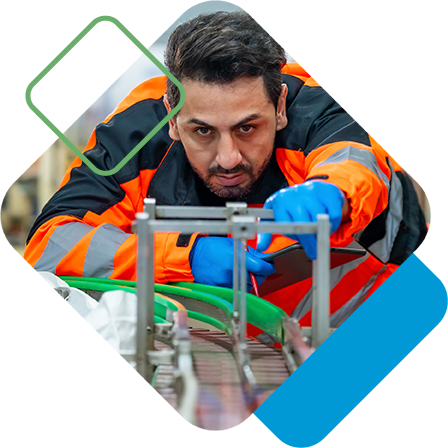
Workforce Mechanical Capability Directly Impacts Reliability and Cost
Mechanical systems are critical to production uptime and facility performance. When teams lack consistent mechanical skills, organizations face increased downtime, higher repair costs, and greater safety exposure. Workforce turnover and evolving equipment complexity further widen the gap between expected performance and actual capability. TPC helps organizations address these challenges by building mechanical workforce capability in a structured, scalable way.
Skills Gaps from Turnover
Retirements and turnover reduce institutional knowledge and increase reliance on reactive repairs.
Inconsistent Technical Practices
Without standardized training, teams develop inconsistent troubleshooting and maintenance methods.
Increased Reactive Maintenance
Improper preventive maintenance leads to more breakdowns and emergency repairs.
Pressure to Maintain Uptime
Operations demand higher reliability with fewer experienced technicians.
Training That Strengthens Core Mechanical Competencies
Mechanical skills training supports the full technical workforce across multiple industries, including Manufacturing, Utilities & Energy, Facilities & Property Services, Transportation & Logistics, and Consumer Goods.
Preventive Maintenance & Equipment Care
Standardize lubrication, inspection routines, and alignment practices to extend asset life.
Mechanical Troubleshooting & Fault Isolation
Develop structured diagnostic thinking to reduce repeat failures and shorten repair times.
Power Transmission & Rotating Equipment
Strengthen understanding of gears, bearings, couplings, and drive systems.
Hydraulics & Pneumatics
Improve safe and effective servicing of fluid power systems.
Mechanical Safety & Lockout/Tagout
Reinforce safe servicing procedures to reduce workplace incidents.
How TPC Builds Mechanical Workforce Capability
Effective mechanical capability requires more than theory alone. Technicians must understand system fundamentals, practice diagnostic thinking, and apply procedures safely in real environments. TPC integrates multiple training methods into a unified system that accelerates skill development and improves long-term retention. TPC structures training to move teams from knowledge development to applied performance. Each layer builds on the previous to accelerate real-world capability.
Foundational Learning
Essential mechanical knowledge and safety awareness
- Preventive maintenance fundamentals
- Safety basics
- Equipment principles
Blended Performance
Accelerate capability with instructor-led labs and team-based sessions
- Real equipment practice
- Multi-day seminars
- Private group sessions
Applied Practice
Reinforce skills through structured troubleshooting exercises
- Diagnostic reasoning
- Fault isolation
- Practical decision-making
Outcomes Organizations Achieve with Structured Mechanical Skills Training
Organizations that implement structured mechanical skills training often experience measurable improvements in reliability, cost control, and workforce capability.
Reduced Reactive Maintenance
Fewer emergency repairs and improved preventive maintenance compliance.
Faster Mean Time to Repair (MTTR)
Improved troubleshooting methods shorten repair cycles.
Lower Equipment Damage Risk
Technicians apply proper procedures that protect assets.
Improved Cross-Craft Flexibility
Teams develop broader capability and mobility.
Stronger Safety Performance
Consistent mechanical servicing reduces workplace risk.
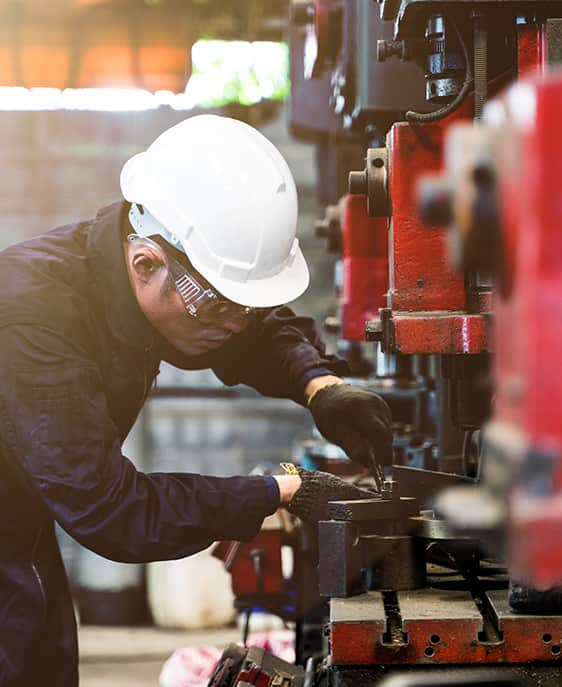
Designed for Industrial and Facilities Professionals
TPC mechanical skills training supports:
- Maintenance technicians
- Multi-craft technicians
- Reliability engineers
- Facilities maintenance teams
- Operations supervisors
- Technical workforce development leaders
Programs can be deployed for individuals, teams, or enterprise-wide rollouts.
Frequently Asked Questions About Mechanical Skills Training
What Is Mechanical Maintenance Training?
Mechanical skills training prepares technicians to inspect, maintain, diagnose, and repair industrial mechanical systems, including rotating equipment, power transmission components, fluid power systems, and structural assemblies. Structured mechanical training typically includes preventive maintenance fundamentals, equipment alignment, lubrication principles, troubleshooting techniques, and safe servicing procedures. For organizations, mechanical training strengthens workforce capability, improves reliability, and reduces operational disruption.
What Skills Are Included in Mechanical Maintenance Training?
Mechanical training includes preventive maintenance, troubleshooting, lubrication, alignment, rotating equipment fundamentals, and safety practices.
How Does Mechanical Training Reduce Downtime?
Structured troubleshooting and preventive maintenance practices help technicians diagnose problems faster and prevent unexpected failures.
Can Mechanical Training Be Delivered to Multiple Locations?
Yes. Blended programs allow organizations to standardize skills across teams, shifts, and facilities.
Is Online Mechanical Training Effective on Its Own?
Online learning builds foundational knowledge. When layered with applied practice and instructor-led training, performance outcomes improve significantly.
Prefer Hands-On Mechanical Training?
TPC's instructor-led mechanical seminars provide immersive, lab-based learning experiences where technicians apply troubleshooting methods under expert guidance. These sessions help accelerate confidence and standardize mechanical practices across teams.
Build the Right Mechanical Training Program for Your Workforce
TPC advisors work with you to design a mechanical training program aligned with your workforce capability goals and operational needs. Not sure where to get started or which type of training your organization's technicians need? We'll help you figure out which learning paths will help your team do their best maintenance yet.
Connect with a training advisor by filling out the form on this page to get started.