
Electrical Maintenance Technician Learning Program
Training Program to Take Knowledge from Basics to Advanced
Electrical work is inherently dangerous, and regulatory bodies mandate that only "qualified persons" are permitted to perform tasks that expose them to hazards.Improperly trained workers are at risk of shock, burns, arc flash injuries, and even fatalities - but many are unaware of the dangers they're in every day and need substantial training to reduce the risks to their health and life.
TPC's program builds Qualified Electrical Workers, ensuring technicians have the skills and knowledge to work safely in situations that involve hazards. We include the tools for your team to demonstrate their expertise and ensure they're ready to put safety first as a qualified worker. Not just for trades, this learning recommendation is ideal for any electrical technician in an industrial facility.
This program of courses, learning labs, troubleshooting simulations, and on-the-job assessments establishes an ongoing learning plan that addresses the maintenance, operations, and hazards associated with troubleshooting and repairs.

What Does it Mean to be a Qualified Electrical Worker?
OSHA Requirements for a QEW - and parallel requirements from NFPA and NEC - state that skills must be demonstrable. Someone who has the training, knowledge, and experience to safely perform work on or near exposed energized conductors or circuit parts verifies that knowledge to meet this requirement. These advanced troubleshooters are the team members who have the skills to identify electrical hazards and take appropriate precautions to prevent accidents. The National Electrical Code (NEC), National Fire Protection Agency NFPA, and OSHA require that those who complete work on equipment have demonstrated skills and knowledge in operating, installing, and repairing equipment - otherwise called a qualified person. They're responsible for advanced electrical troubleshooting in the facility.
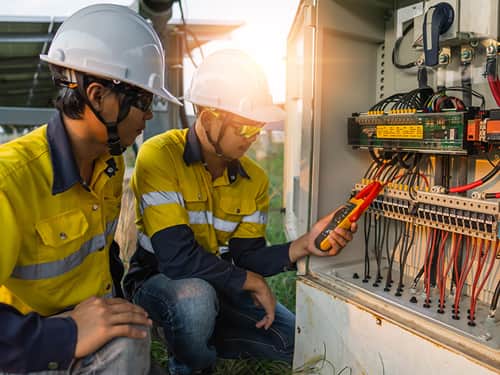
People who need QEW Training include:
Industrial Electrician
Responsible for installation, troubleshooting, repair, and maintenance of electrical and power systems and equipment for safe, reliable, and efficient operation.
Electrical Maintenance Technicians
Tasked with preventive maintenance, root cause analysis, and repairs of electrical and controls equipment in industrial settings, with a goal of maximizing machine uptime.
Multi-craft technicians or maintenance technicians
A complex role that includes electrical maintenance related especially to motors, wiring, control circuits, handling electrical faults, and responsible for preventive maintenance.
HVAC Technicians
These specialists need to diagnose and repair electrical circuits within HVAC systems and need a solid understanding of safe electrical maintenance.
Facility Maintenance Workers
If their job description includes machine maintenance, they need a solid understanding of electrical safety and may need to perform maintenance and repairs.
Curriculum Path for Advanced Troubleshooting
Beginning with foundational knowledge, the learning path covers motors and controls, PLC, VFD, sensors, and troubleshooting simulations for a well-rounded learning experience.
Not just for QEWs, the TPC Advanced Electrical Troubleshooting training pathway is a robust self-paced set of training courses. It includes simulation-based electrical troubleshooting training modules, learning labs, digital skills-based lessons, and video-based options to take learners through the basics all the way to mastery level troubleshooting skills. Gain the skills needed to diagnose and repair electrical faults in complex production machinery quickly, effectively, and safely. Live, instructor-led training is available to supplement this training path.
Where To Go From Here:
TPC can help you conduct a training needs assessment to determine the optimal starting phase and how deep each training topic will need to dive for each of your workers. Our onboarding team will quickly get your administration, monitoring, access, and automations activated so your crew can begin training, positively impacting safety, and delivering ROI.
Fill out the form to be contacted by a training specialist and get started.