
Electrical Blogs
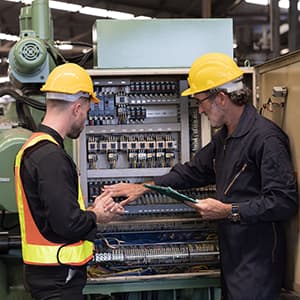
Solving the Electrician Shortage With In-House Training
October 6, 2026
The electrician shortage is putting pressure on projects and teams. Discover how in-house troubleshooting training can strengthen skills, preserve expertise, and improve workforce capacity.

How Facilities Teams Are Building Electrical Troubleshooting Skills
September 25, 2026
From dead outlets to intermittent faults, discover practical troubleshooting techniques that help your crew diagnose electrical problems safely and systematically.

Building an Electrician Training Program for Facilities Technicians
September 24, 2026
Discover how facilities teams can strengthen electrical troubleshooting skills with systematic diagnosis, hands-on training, safer testing practices, and continuous knowledge sharing.

Arc Flash Is Preventable: What NFPA 70E Actually Requires
September 22, 2026
Arc flash hazards can be prevented with the right training and controls. Explore NFPA 70E requirements for safer electrical work and workplace compliance.
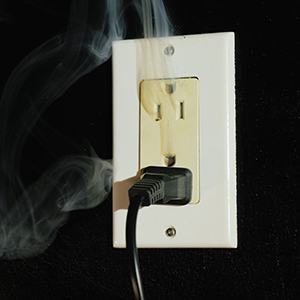
Electrical Fire Safety & Prevention Tips
July 31, 2026
Protect homes and workplaces by learning the warning signs of electrical trouble, safer equipment practices and the correct response to a fire.
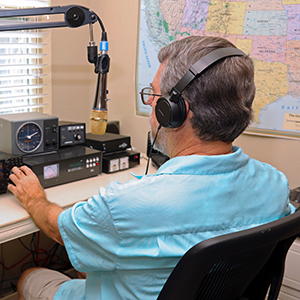
The Evolution of Amateur Radio and Its Impact on the Utilities Industry
July 6, 2026
Amateur radio began with curious experimenters and grew into a global communication service with lasting value for emergencies, utilities and public safety.

Troubleshooting Thursday: Predicting Maintenance Downtime with PdM
August 8, 2024
Predictive Maintenance is a powerful strategy, but it might not be practical for all devices in your facility. For example, if a machine isn’t critical – short periods of downtime are manageable – or repairs can’t be predicted, then it might not be worth maintaining with a predictive model.

Troubleshooting Thursday: Establishing an Electrically Safe Work Condition
February 28, 2024
According to Article 120 of NFPA 70E® Standard for Electrical Safety in the Workplace, establishing an electrically safe work condition is a necessary, effective, and multi-step process that encompasses a much higher level of safety than a simple lock & tag.

Adopting Industrial Automation: 5 Factors to Consider
December 28, 2023
With aggressive growth in the sector over the past decade, industrial automation has been proven to improve facility safety and productivity and drive the demand for skilled tradespeople and the technician workforce.

Why You Need to Develop an Electrical Preventive Maintenance Schedule (and How to Get Started)
September 8, 2023
Leaving the electrical maintenance to qualified electrical workers (QEW) or licensed electricians is a must; with properly trained workers handling the preventive maintenance, troubleshooting, and repairs to electrical systems, the chance of electrical faults, downtime, and accidents will be reduced

What to Do When You Are Stuck on a Fault in TPC Simulations
October 8, 2021
This post is part of a series designed to help our customers get the most out of the Electrical Troubleshooting Skills Training System™.

Troubleshooting Thursday | True Cost of Factory Downtime: How Downtime Affects Productivity (Tip 67)
October 8, 2021
Today we’ll be looking at how to calculate the true cost of facilities maintenance. It’s not exactly news that factory downtime costs manufacturers.

Troubleshooting Thursdays: Identifying Malfunctions Through a Multimeter and Other Tools (Tip 8)
October 8, 2021
For the past few Troubleshooting Thursday posts, we have been discussing TPC’s systematic troubleshooting methodology to build a solid foundation for learning troubleshooting. It is now time to start looking into the multimeter and other tools used to execute this approach.
How to Find a Short Circuit With a Multimeter
October 8, 2021
A short circuit occurs when an accidental connection is created when a wire carrying current comes in contact with a neutral wire or the ground in a circuit. d
12 Causes of Electrical Accidents
October 8, 2021
Electrical accidents are common, if not unavoidable, in the manufacturing environment. They occur for several reasons—whether it concerns the management, equipment, or employees.

Troubleshooting Electrical Faults in a Manufacturing Environment
October 8, 2021
Open circuit faults are most common and are relatively easy to troubleshoot. Typically, this type of fault can be identified quickly as some part of the circuit will not be operating since it is not receiving the voltage required for correct operation.

What is Electrical Maintenance?
May 21, 2021
Advances in the design and quality of electrical components have made it possible for electrical systems to run for years without noticeable problems.

May is Electrical Safety Month
April 21, 2021
Electricity-related injures occur to more than 4,000 workers every day in the United States and frequently these injuries can result in death.

Electricity 101: How it Works
April 6, 2021
Electricity is a form of energy, which can be generated by several methods, including hydroelectric dams, coal-fired steam plants, and chemical batteries. No matter how it is created, electricity then flows through conducting circuits, where it powers pumps, motors, mixers, and more.
Choosing the Proper PPE for Electric Arc Exposure
March 1, 2021
Clothing, face shields, gloves, and other gear must provide the level of protection needed for a given hazardous situation.

What Are Programmable Logic Controllers (PLC) And Why Do Your Employees Need to Be Trained on It?
February 5, 2021
PLCs continuously monitor information from analog or digital input devices. The PLC makes decisions based on the input received, which are delivered to monitored equipment through the PLC’s output interface.

Understanding Electrical Wiring
January 25, 2021
An understanding of electrical wiring improves the efficiency and safety of any facility’s employees, especially for non-electricians who perform basic maintenance on electrical equipment.

How to Draw Electrical Diagrams
January 15, 2021
knowing how to do schematic diagrams is an important skill in such cases, as accurate and accessible electrical drawings are required for safety compliance.

How to Read a Blueprint
January 8, 2021
Knowing how to read a blueprint is a valuable skill for anyone who works in construction, maintenance, or facilities management. Accurate blueprint reading helps you identify the location of important building elements during renovations, rebuilding, or work on electrical and HVAC systems.
Staying Safe and Avoiding Electrical Hazards
December 3, 2020
The ubiquitous nature of electricity sometimes causes people to neglect electrical safety hazards. People are so used to instant, safe access to electricity they forget just how powerful electrical energy is.
How to Read an Electrical Schematic Drawing
November 10, 2020
Learning how to read an electrical schematic drawing is an important skill for maintenance workers and managers even if they aren’t licensed electricians. Understanding schematic drawings helps identify faulty components, troubleshoot systems, and improve safety.

Steps to Complete an Arc Flash Analysis
October 1, 2020
Due to the significant risk of fatalities and life-changing injuries, OSHA has strict requirements for electrical standards, requiring employers to prove they took reasonable precautions to prevent injury.
How Automation Can Help Improve Workplace Safety
October 21, 2019
Automating hazardous operations can greatly improve workplace safety, but the relationship between automation and safety goes far beyond distancing employees from dangerous tasks.
What Is Lockout/Tagout Procedure?
April 16, 2019
Lockout/tagout, also known as energy control procedure, is a set of essential safety steps required before working on potentially energized machinery.
What Are Approach Boundaries?
February 6, 2019
To lower the risk of arc flash injuries, the National Fire Protection Association developed a set of arc flash boundary limits to guide decisions on both equipment operation and personal protective equipment.
Arc Flash PPE Explained
January 17, 2019
An arc flash is a potentially destructive workplace accident, capable of causing severe injury and equipment damage in the space of a few seconds.
Common Electrical Hazards
January 2, 2019
Electricity is a powerful force, and it’s no surprise that electrical safety usually comes up in conversation when work safety topics are discussed.
Variable Frequency Drives (VFD) Theory and Troubleshooting
April 18, 2018
Variable Frequency Drives (VFDs), also referred to as Adjustable Speed Drives, are prominent in today’s workplace. They are used in elevator, water pump, high-volume air compressor applications and material-handling systems wherever speed and torque characteristics of AC motors are regulated.

Basics of an Industrial Electrical Control Panel
February 5, 2018
The National Electric Code defines industrial electrical control panels as an enclosure or open panel containing two or more power circuit components, control circuit components, or a combination of the two.

Grounding and Bonding Requirements
November 15, 2017
Grounding and bonding requirements are designed to protect staff and equipment from undesired surges and buildup of electrical current.

Who's At Risk for Arc Flash Injuries?
October 24, 2017
Arc flash is a serious industrial accident where electrical current leaves its intended pathway and travels through the air. Between five to ten arc flash explosions occur in the USA every day, with 2,000 people a year treated in burn centers for arc-related injuries.
Teaching Electrical Troubleshooting Methods and Techniques to Your Employees
September 4, 2017
Troubleshooting equipment—especially electrical equipment—has a certain mystique to it. Watching an experienced employee troubleshoot a piece of familiar equipment can make it seem as if the process is instinctive.
The Value of Variable Frequency Drives
May 1, 2017
Electric motors operating on alternating current often run at unnecessary speeds, waste power, and heat up due to excessive harmonics. Variable frequency drives resolve these issues by controlling AC motor speed and torque by varying the frequency (hertz) and voltage delivered to the motor.
What a Basic Electrical Course Should Cover
December 13, 2016
If your building needs an electrical maintenance team you may well decide to recruit members of your existing team and train them for the task at hand. In most cases, they’ll start with a basic electrical course.
How to Improve Your Electrical Maintenance Strategy
November 14, 2016
When it comes to maintenance strategies, mechanical assets tend to receive more care than electrical control and distribution systems. Electrical systems can run for years without problems, making it tempting to focus on systems where wear and tear produce more frequent issues.
Arc Flash Safety Checklist
September 12, 2016
An arc flash event is a dangerous situation occurring when electricity travels through the air to make contact with a conductor or the ground. Arc flashes release exceptionally high heat energy, pressure waves, blinding light, soundwaves, and toxic fumes.
Does My Switchgear Need Replacing?
June 27, 2016
Regularly scheduled servicing and maintenance of your switchgear can greatly increase its lifespan, but eventually, you’ll find yourself wondering if simply replacing the system isn’t a better investment.
5 Tips for Preventing Commercial Electric Overloads
April 15, 2016
Electric fires rank among the top five causes of commercial building fires according to the National Fire Protection Association. In many cases, the source of an electric fire can be traced to electric overloads.
Arc Flash Myths and Misconceptions
March 1, 2016
Electrical arc flash is a dangerous hazard for anyone working on or near energized conductors and equipment. A proper understanding of the potential hazards is a big part of your overall electrical training regimen.
Arc Flash Safety Tips
February 6, 2016
An arc flash is likely to be catastrophic to any electrical worker unlucky enough to experience one.
Does your facility meet OSHA and NFPA standards for Qualified Electrical Workers?
May 25, 2015
Did you know that OSHA and NFPA require documented in-person or classroom training for electrical workers? We find that many of our customers are unaware of these requirements; understanding them can make your facility safer and reduce employer liability.